
Photometric & Lighting Design
Lighting gets specified late, checked by an inspector, and redesigned under time pressure. We produce the photometric study, the schedules and the compliance documentation as one coordinated package.
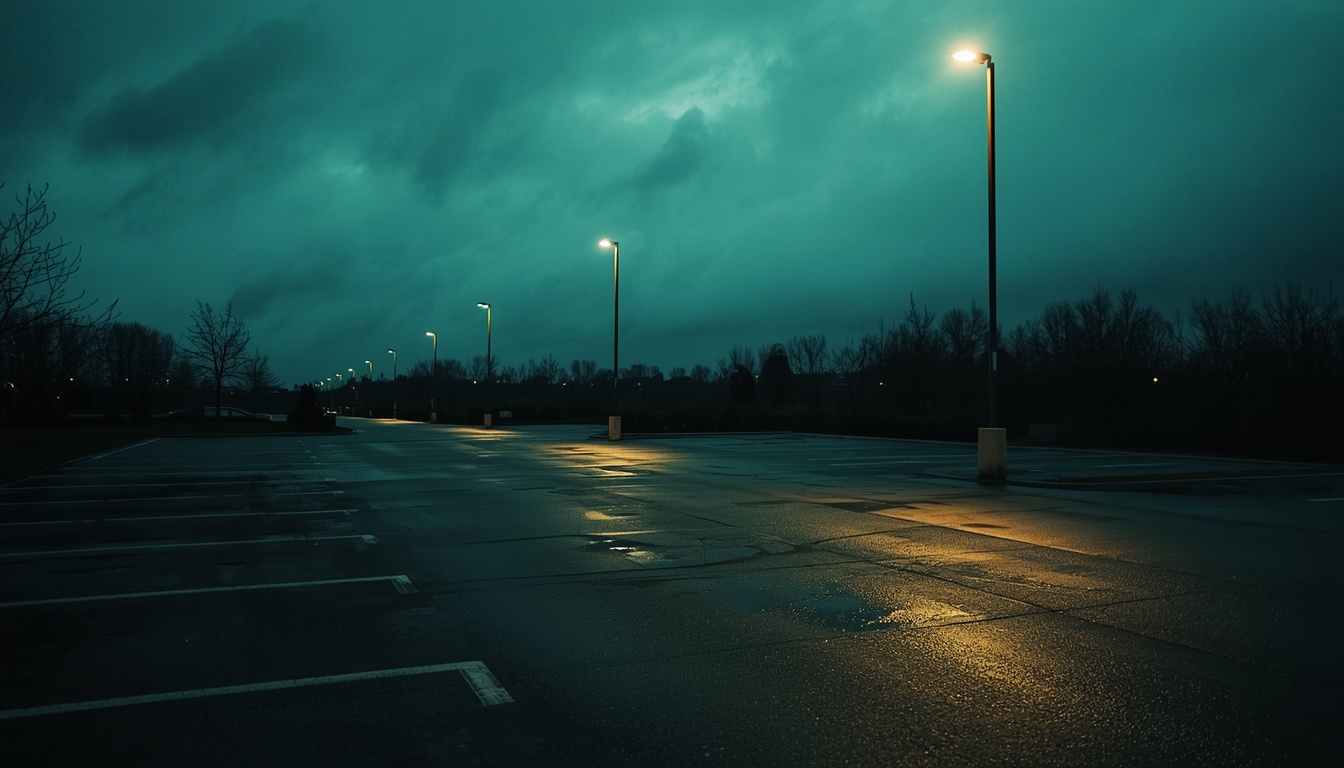
Concrete deliverables, not vague promises.
Photometric analysis
- Point-by-point illuminance calculations across the design area
- Iso-illuminance contour plots and rendered false-color studies
- Uniformity ratios, average and minimum maintained levels
- Glare and light trespass analysis, BUG rating assessment
- Light-loss factor derivation and maintenance schedule assumptions
Design documentation
- Luminaire schedules with manufacturer, model, lumen output, CCT, CRI and optics
- Lighting layout drawings with mounting heights, tilts and aiming
- Pole, bracket and mounting details
- Circuiting, controls and emergency lighting layouts
Compliance
- Lighting power density calculations against the governing energy code
- Egress and emergency illumination compliance verification
- Dark-sky and light pollution compliance where locally mandated
- Compliance summary suitable for permit submission
A site plan or floor plan in any format, a photograph with dimensions, or an existing lighting layout that needs verifying. Tell us the application and the governing code; if you're not sure which code applies, we'll identify it.
Codes & standards
IES RP-8 (roadway), IES RP-7 (industrial), IES RP-20 (parking), EN 12464-1 (indoor workplaces), EN 13201 (road lighting), BS 5489, ASHRAE 90.1, IECC, California Title 24, and IDA dark-sky criteria where applicable.
Full service engineering design. Delivered remotely.
- 01
Start with a bounded request
Send what you have — sketches, GIS/CAD files, pole data, spreadsheets. A named engineer reviews it and confirms a scoping timetable.
- 02
Agree scope, standards & criteria
Work begins once a written SOW sets deliverables, assumptions, standards and who owns each engineering decision.
- 03
Produce with visible controls
Assumptions, RFIs and progress are logged as they happen, not buried inside the drawing set.
- 04
Independent QA & handoff
A second reviewer checks the package against the SOW before a revision-tracked transmittal ships.
Electrical contractors bidding projects requiring a photometric submission
Developers and property owners needing compliance documentation for permit
Lighting suppliers supporting specification with independent studies
EPC contractors on industrial, warehouse and yard lighting scopes
Can you work with a specific manufacturer's fixtures?
Yes, supply the IES files or the model numbers and we'll build the study around them. We can also produce a comparative study across two or three fixture options to support a value engineering decision.
Do you supply the fixtures?
No. We're independent of any manufacturer, which means the study reflects what the site needs rather than what someone is trying to sell.
How quickly can a study be turned around?
A single parking area or warehouse bay typically returns within 48–72 hours. A multi-area campus study is usually 5–8 business days.
Have a photometric & lighting design project to scope?
A sketch, a photo, a spreadsheet: send what you have and we’ll take it from there.